BIODIVERSITY ALONG THE SAINT ENDRÉOL COURSE

Golf & Spa Resort - Provence Côte d'Azur France


A COMMITTED GOLF CLUB

RESPECT FOR THE ENVIRONMENT

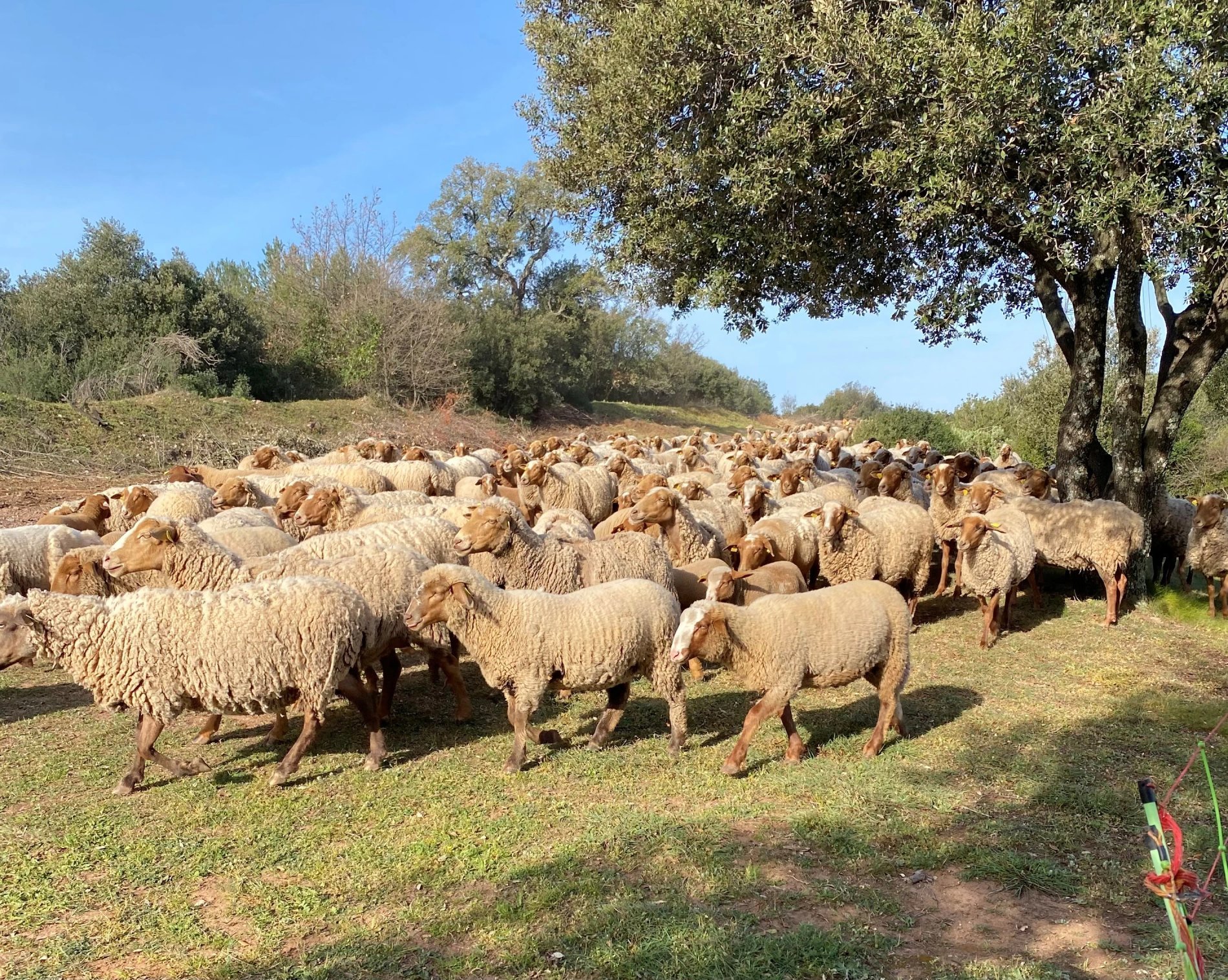
The Saint Endréol Golf Club, nestled in the heart of a remarkable natural environment between the Estérel and Maures mountains, is fully committed to respecting and preserving the environment. Aware of the ecological richness of its site and current environmental issues, the golf club is actively committed to protecting biodiversity. For several years, the golf club's teams have been implementing sustainable management of its spaces, paying close attention to the preservation of natural resources, local biodiversity and the balance of the environment. Every action is carefully considered in order to reconcile the practice of golf, landscape quality and sustainable environmental protection.

As part of its environmental approach and its commitment to the ‘Golf for Biodiversity’ programme, the golf club called on Auddicé Environnement, a consulting firm specialising in ecology, to carry out a comprehensive naturalist assessment of the site. The aim of this study is to establish a precise inventory of biodiversity, identifying the natural habitats, fauna and flora present, as well as the ecological challenges of the course. It provides a scientific basis for implementing concrete actions to preserve and improve biodiversity, in line with the Golf for Biodiversity Label - Silver level.

inventaire flore et faune


BIODIVERSITY

STATUS REPORT

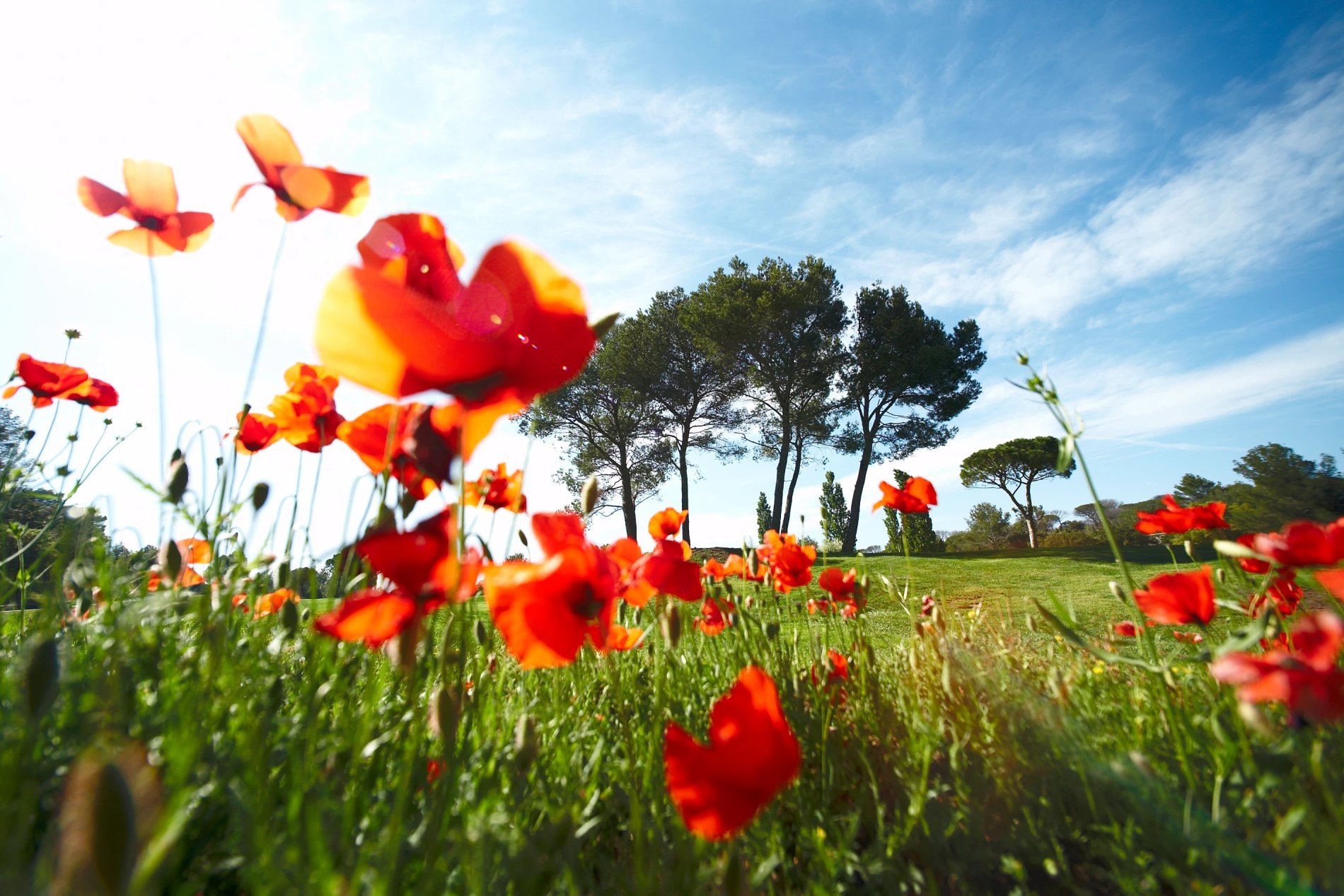
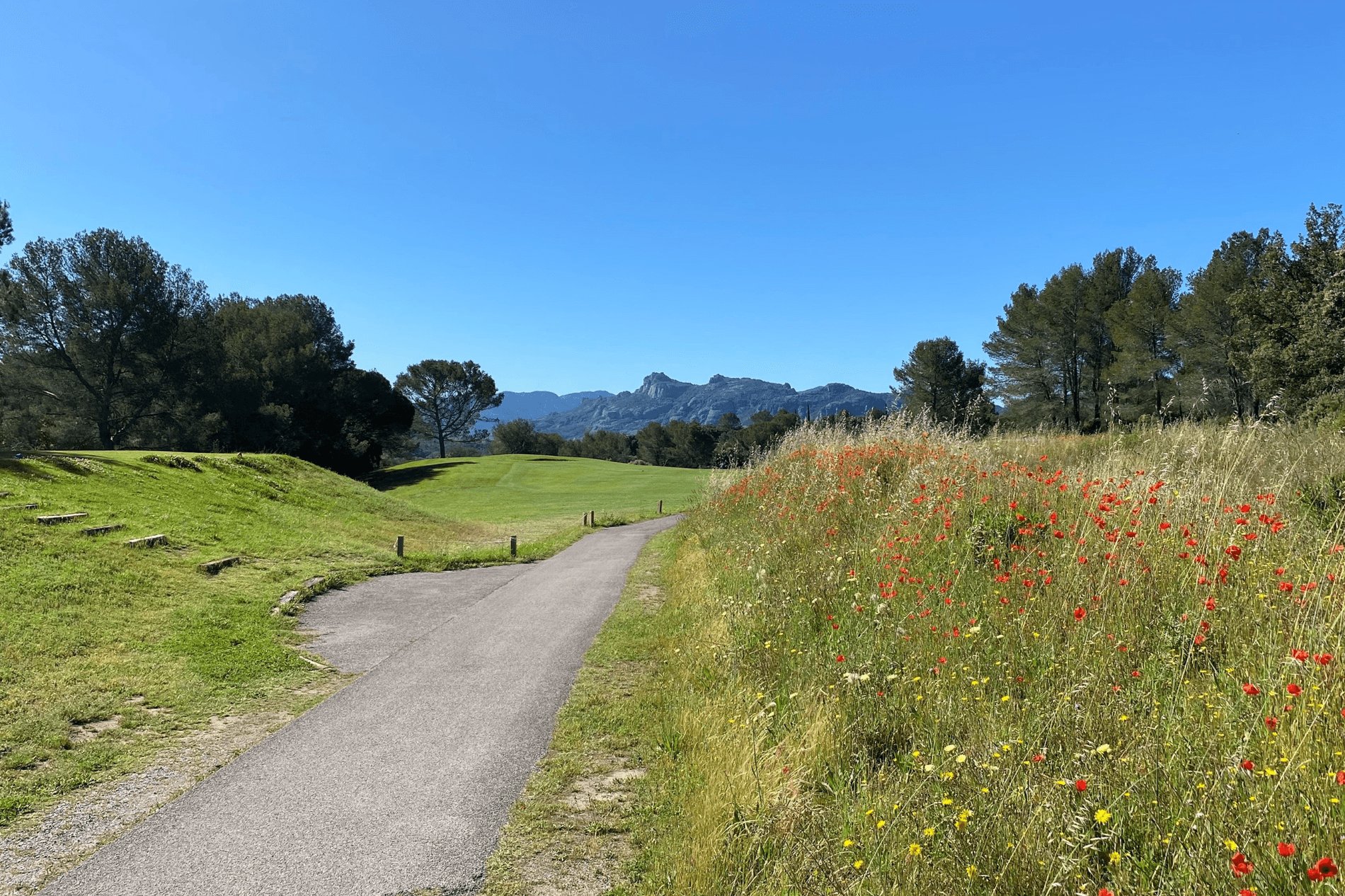
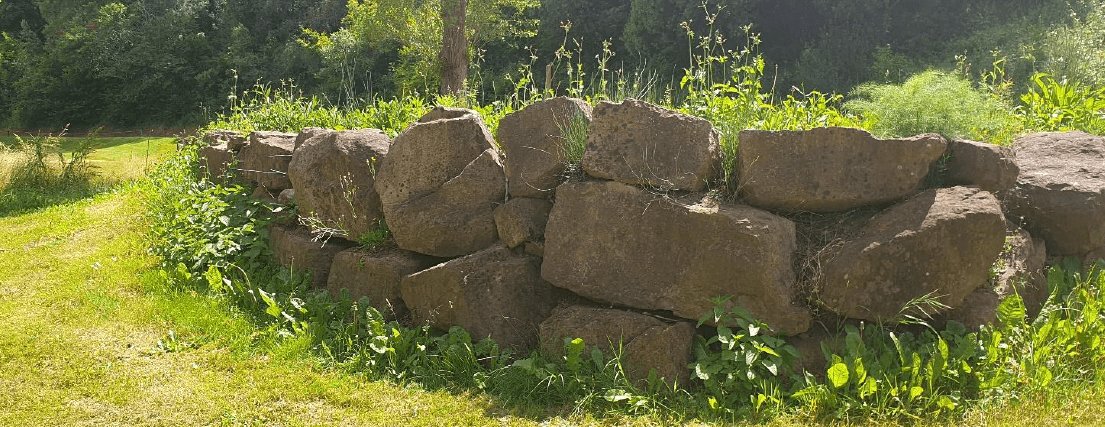
The Saint Endréol golf course is distinguished by a wide variety of habitats and microhabitats, promoting the establishment and development of diverse flora and fauna. The coexistence of dry and wet environments, open, semi-open or more closed, creates essential ecological continuity. These conditions allow the species present to complete one or more stages of their life cycle, or even their entire life cycle. Field studies conducted on the course have thus highlighted the key role of open and semi-open areas, which are particularly conducive to maintaining biodiversity.

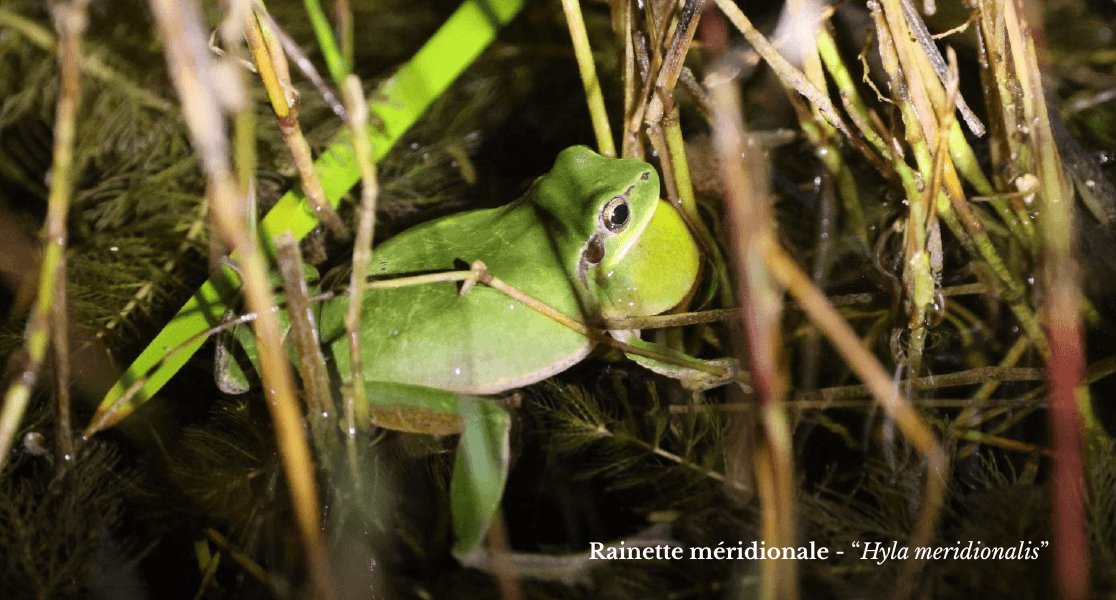
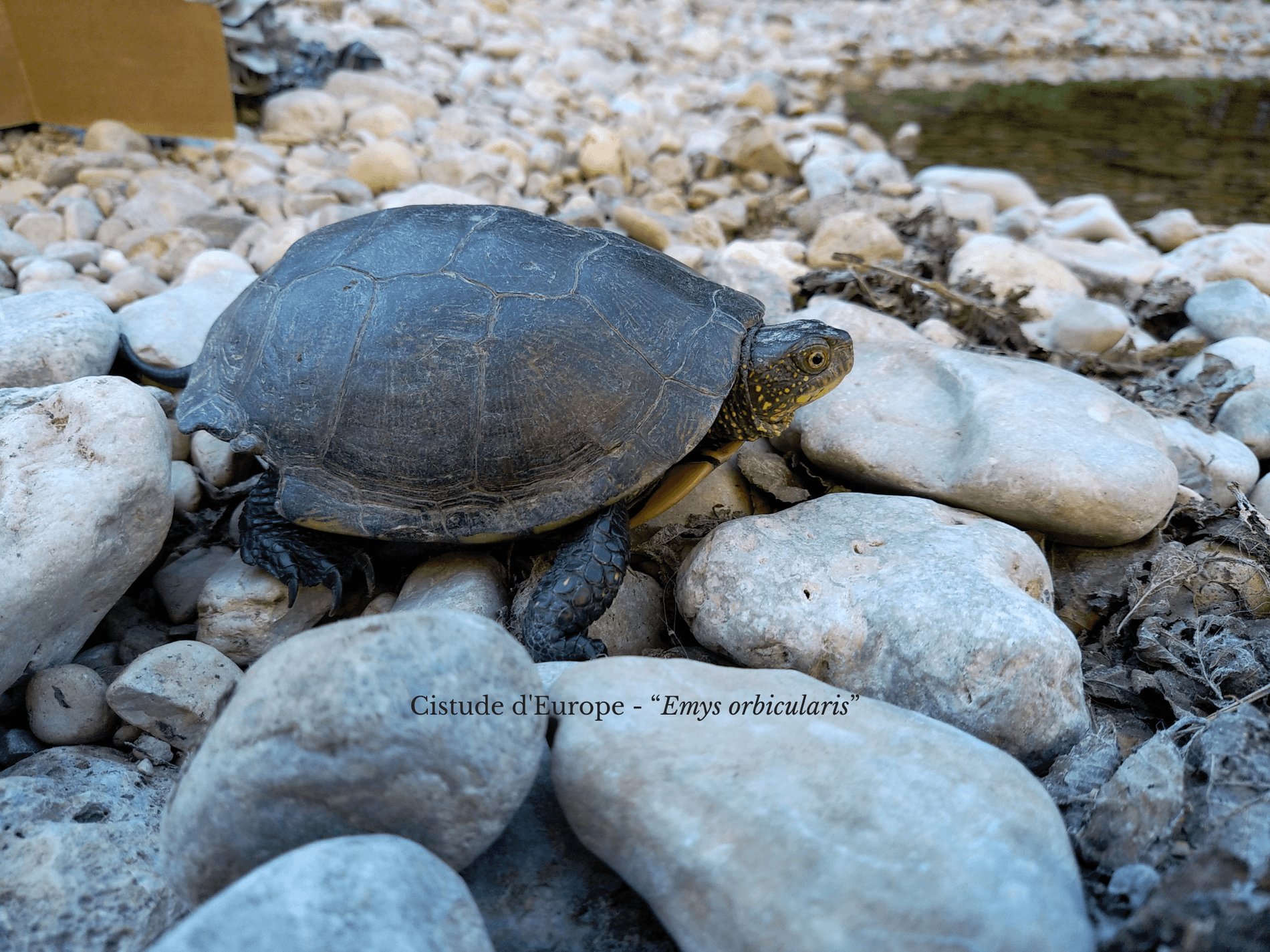
Naturalist studies conducted on the Saint Endréol Golf Course reveal a rich and diverse fauna, made possible by the diversity of natural environments present on the course. The golf course is home to a particularly remarkable bird population, with 59 species of birds recorded, including 20 heritage species. The wooded areas, hedges, natural roughs and water features provide favourable conditions for birds. The golf course is also home to 6 protected amphibian species, 7 reptile species and 69 insect species, including heritage species. Water sources, wooded edges and natural microhabitats play an essential role in maintaining this fauna. A few mammals have been observed, including the red squirrel (Sciurus vulgaris), a protected species, confirming the role of the Saint Endréol Golf Course as a true refuge for biodiversity.

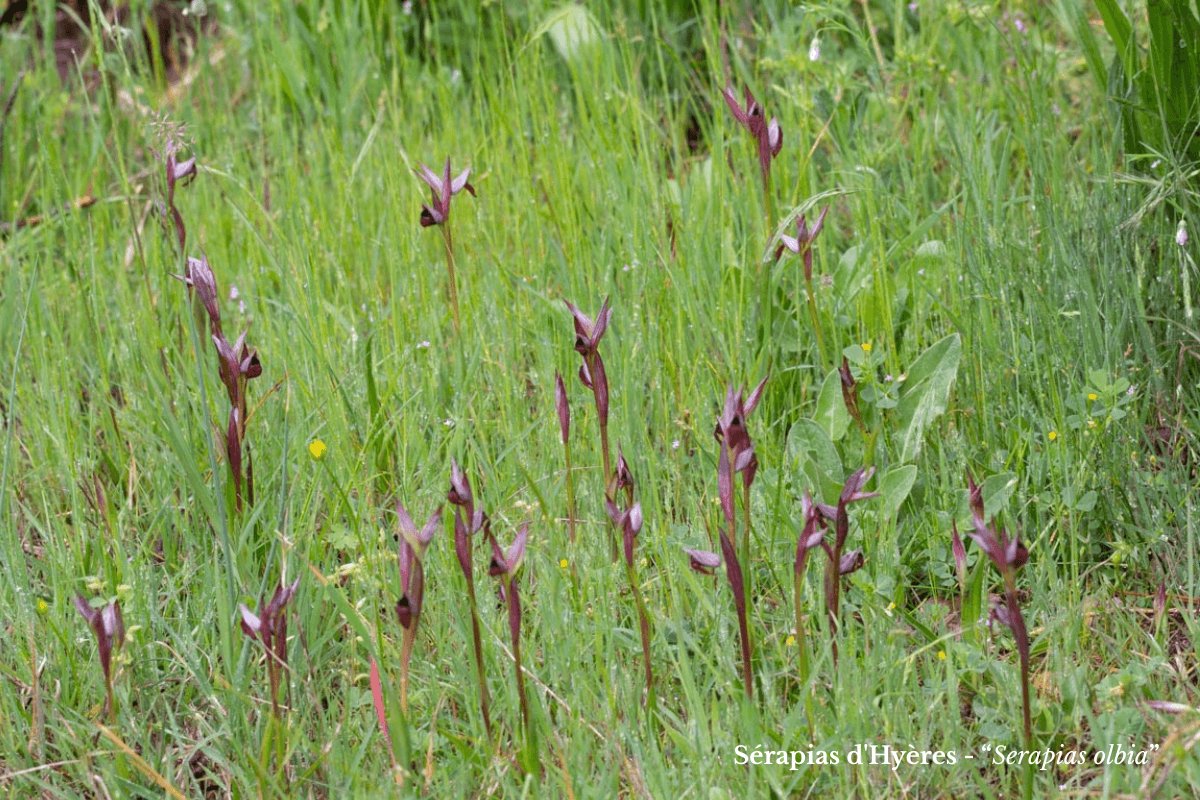
The Saint Endréol golf course covers an area of approximately 68.2 hectares, 58% of which consists of natural and semi-natural habitats, i.e. approximately 40 hectares, with the remainder corresponding to artificial areas linked to golfing activities (greens, fairways, tees, maintained roughs). A total of 122 species have been recorded across all groups, including two heritage plant species identified on the site: Chaetonychia cymosa and Serapias olbia. The golf course's flora is based on a mosaic of natural and semi-natural environments including Mediterranean grasslands, wet meadows, scrubland and matorral, woodlands, riparian forests and aquatic environments linked to watercourses. Mediterranean grasslands are a key habitat for heritage flora due to their open, low-fertility and undisturbed nature.


KEY ACTIONS TO STRENGTHEN BIODIVERSITY

- Improving aquatic ecological continuity: preserving a strip of grassland along watercourses and ponds, creating habitats that benefit all species groups

- Late mowing: allowing the estate's flora and fauna to spread and develop

- Preserving ageing and remarkable trees: Preserving rather than felling by applying the ‘coronet cut’ to ensure safety, create habitats and maintain an aesthetic that blends into the surroundings

- Respecting the ecological calendar of species when carrying out maintenance work: Calendar adapted to nesting

- Management of invasive alien species: Contain and destroy invasive alien species


Discover also


Quick Response Code